Muscat in 2 Days: A Walkable Quarter-by-Quarter City Itinerary
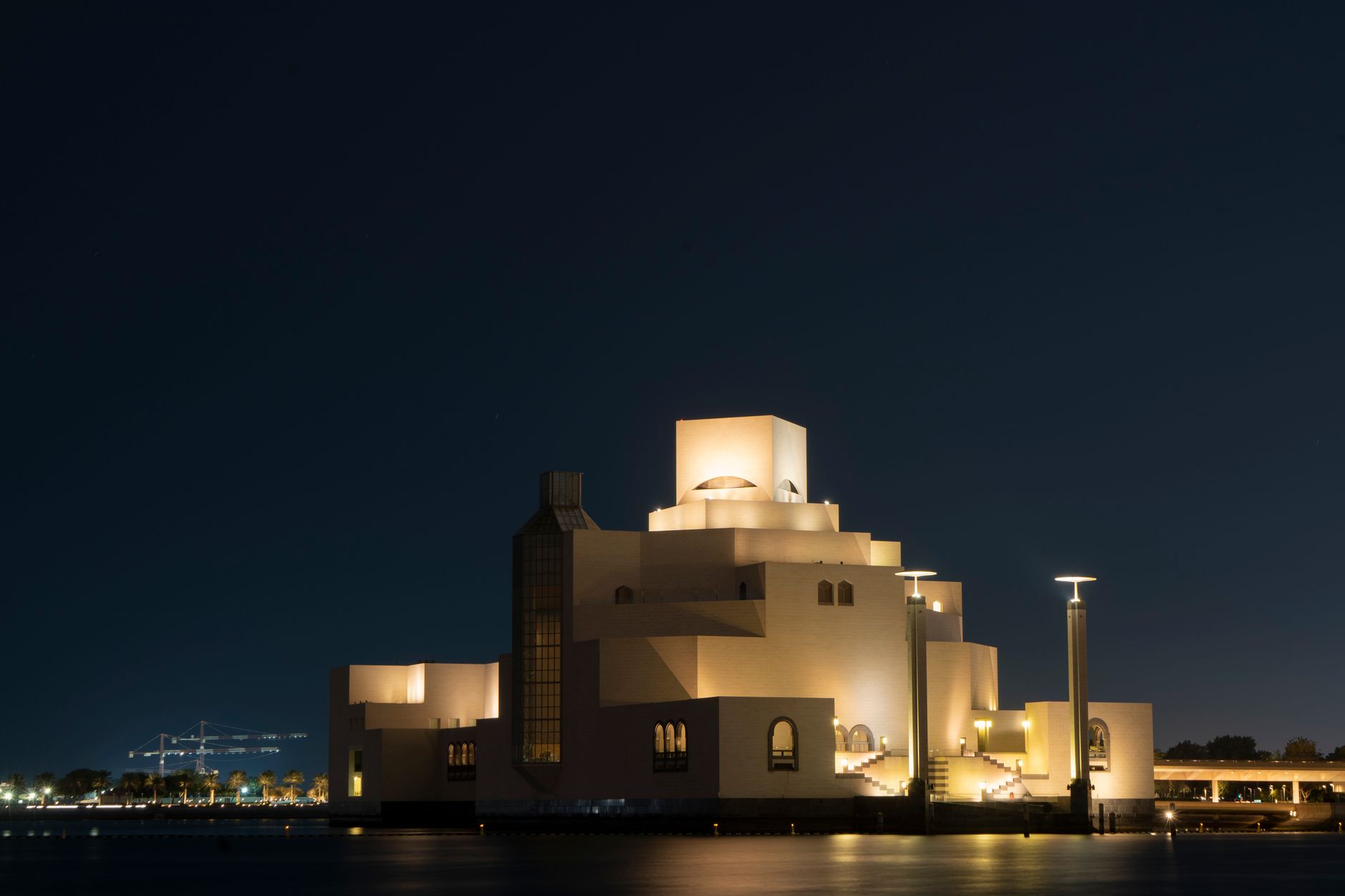
Muscat, Oman’s dynamic coastal capital, is a tapestry of Old World souqs, dignified mosques, lively ports, and pockets of contemporary culture fringed by stark mountain and sea. Two full days is the sweet spot for a compact yet immersive city break: you’ll unravel Muscat’s rhythms by exploring three distinct neighborhoods—Mutrah’s historic waterfront, the regal sites of Old Muscat, and commercial Ruwi’s local markets. This guide delivers a richly walkable itinerary with expert logistics, cost guidance, and authentic addresses, so you spend less time planning and more time soaking up the city’s singular spirit.
Context and Orientation
Muscat is a linear city framed by arid Hajar mountains and the dazzling Gulf of Oman. Public transport exists but is sparse; taxis fill the gap, but downtown quarters are surprisingly walkable in cooler months. The city’s beating heart is Mutrah, whose vibrant Corniche leads toward the historic royal seat of Old Muscat. Ruwi, a lively commercial area, lies inland and is less touristy—the place to see Muscat’s daily, unvarnished bustle. These three areas provide atmospheric stays, each with their own flavor.
Where to Stay: Three Walkable Neighborhoods
- Mutrah: The evocative old port, ideal for sunset strolls, traditional eateries, and instant access to the city’s classic souq. Many renovated guesthouses and boutique hotels here retain Omani character.
- Old Muscat: Home to the Sultan’s Palace, National Museum, serene government gardens, and dramatic cliffside scenery. Quieter at night but superb for early mornings, regal walks, and culture.
- Ruwi: With its Indian eateries, bustling marketplaces, and handy transport links, Ruwi is both functional and authentic. Hotels here are often more budget-friendly. Good for those looking to blend in with the daily life.
Transport and Getting Around
- Arrival: Muscat International Airport (MCT) connects to the city via taxi (approx. 20–30 min to Mutrah/Ruwi).
- Local Buses: Mwasalat red buses serve main corridors (limited frequency). Useful for Ruwi-Mutrah transfers.
- Taxis: Regularly available, metered (insist meter is used), but pricier than buses. The new OTaxi app works well in the city.
- Walking: Shady Corniche promenades and well-maintained main axes heavily favor exploring on foot during October–April; avoid midday heat in summer.
Indicative Daily Budget (per person, estimate)
- Mid-range hotel: $80–$120
- Meals (local restaurants): $12–$25
- Coffee/snacks: $3–$5
- Public transit per day: $1–$3
- Taxis (short/medium rides): $5–$15
- Museum entries: $5–$12
- Indicative total/day: $120–$180 (verify for your dates; economy/basic stays can come in lower, luxury higher)
️ 1 Mutrah’s Waterfront and Old Muscat Traditions
Morning: Mutrah Corniche & Souq
- Start your walk along Mutrah Corniche, early to enjoy the soft light, sea breezes, and fishermen at work. See the distinctive blue domes of the Corniche Mosque.
- Veer off into Mutrah Souq—its labyrinthine alleys feature incense vendors, silverware, textiles, and lively bartering (expect to negotiate). Don’t miss the frankincense stalls for a truly Omani scent.
- Pause at a local café (try Corniche Café or Bait Al Luban for fresh dates and Omani coffee—kahwa).
Afternoon: Bait Al Zubair & Old Muscat
- Stroll or short taxi (10 min) along the scenic Corniche toward Old Muscat. En route, pause for panoramic city views from the restored Mutrah Fort (modest entry fee, short climb). This classic watchtower offers the area’s most photogenic vantage.
- Continue on foot: walk through the iconic gates into Old Muscat, framed by rugged cliffs and gardens.
- Visit Bait Al Zubair Museum for Omani heritage, weaponry, jewelry, and traditional dress. Small and engaging, it’s a cultural introduction you can finish in under an hour.
- Wander the tidy avenues around the Sultan’s Palace (Al Alam Palace)—not open to the public, but a beautiful landmark from outside.
Evening: Waterfront Dinner & Local Flavors
- Return to Mutrah for a characteristic Omani dinner: Bait Al Luban is renowned for minty shuwa lamb, grilled fish, and halwa dessert, with an upper level offering sea views.
- Stroll the Corniche at dusk for cooler air and local families out walking. End your night with a sweet tea or mint lemonade at a local café.
️ 2 Ruwi Markets and Coastal Culture
Morning: Ruwi’s Market Quarter
- Head inland to Ruwi (take the bus #4 from Mutrah, ~15 min), Muscat’s business and market hub, where Indian and Pakistani flavors dominate. Join locals at Lulu Hypermarket or Ruwi Street Market for a different city pulse.
- Breakfast at an Indian bakery or try savory paratha and local masala chai at Karachi Darbar.
- Peek at the Ruwi Clock Tower (landmark square) and follow the shaded side streets, appreciating the district’s utilitarian charm, with roadside tailors and electronics stalls.
Afternoon: Sultan Qaboos Grand Mosque & Museum of Illusions
- Take a short taxi to the Sultan Qaboos Grand Mosque (open for non-Muslim visitors until 11AM, arrive earlier if possible). Marvel at the Persian carpet and chandelier in one of the Middle East’s most striking contemporary mosques. Modest dress required—long pants/skirts, head coverings for women.
- Optional: Nearby, the Museum of Illusions offers interactive, quirky perspectives and a fun hour, especially for families or anyone needing a cool retreat.
- Lunch: In nearby Al Khuwair quarter, local Omani and Indian diners serve up roast chicken, fish curry, and cooling laban.
Evening: Qurum Beach Sunset or Mutrah by Night
- Take a taxi to Qurum Beach for Muscat’s urban sand-and-sea scene—a relaxed place to stroll, people-watch, and enjoy sunset. Several beach cafés and food stalls dot the strip.
- Alternatively, loop back to Mutrah for a quieter Corniche walk after dark. If visiting in winter, local music sometimes fills the promenade in the evenings.
- Dinner: Sample grilled seafood at The Beach Restaurant or try a local family-run place in Al Khuwair, where you might find home-style maqbous (Omani spiced rice and chicken).
Local Cuisine to Try
- Shuwa: Slow-cooked marinated lamb or goat, a staple on festive days and at several old-town restaurants.
- Majboos/Maqbous: The Omani take on aromatic rice and chicken or fish, spiced with saffron and cardamom.
- Omani Halwa: Sweet, sticky, and scented with rosewater and cardamom, an essential after-dinner treat.
- Kahwa: Omani coffee—served in small cups with dates, always worth pausing for in cafés or souq stands.
- Indian & Pakistani Curries: Especially in Ruwi, budget-friendly and rooted in Muscat’s multicultural communities.
Hotels and Rentals: Booking.com Resources
Practical Tips for Your Stay
- Best walking season: October–April for milder temperatures (midday summer heat is extreme—plan indoor activities or shaded strolls only).
- Friday is prayer day—major sites or markets may open later.
- Many small shops and restaurants are cash-only; carry some Omani Rial.
- Tap water is generally safe to drink, but most locals opt for bottled water.
- Outside the hotel bar circuit, public nightlife is subdued. Evenings are for peaceful promenades, cafés, and park strolls.
Editorial Conclusion
A two-day Muscat itinerary on foot reveals Oman’s capital at a human pace: the diverse scent of frankincense on Mutrah’s Corniche, the enduring tranquility of palace gardens, and the cosmopolitan hustle of Ruwi’s markets. By focusing on the city’s layered quarters—Mutrah, Old Muscat, Ruwi—you’ll escape the tour-bus crowds while sampling authentic Omani flavors and rhythms, all without wasting precious time in traffic. This approach, planned with expert logistics, balances efficiency, discovery, and a taste of the real city—ideal for short but memorable urban escapes in Oman.