Seoul in 4 Days: Secret Quarters and Hidden Gems
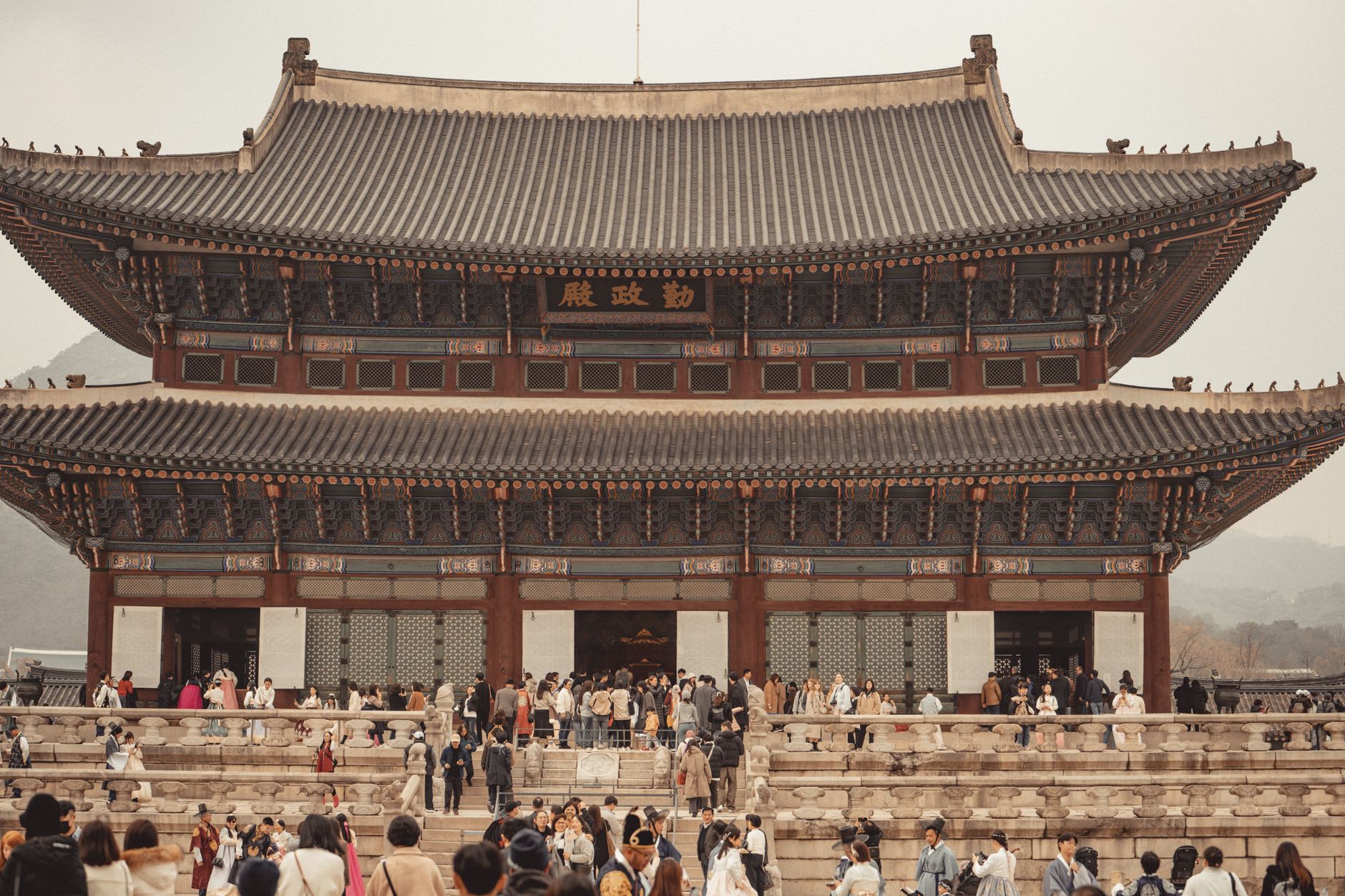
Seoul—one of Asia’s most vibrant capitals—blends the dynamism of cutting-edge design with centuries of quiet tradition. Skip the routine palace circuit and bustling commercial lanes to delve into less-charted quarters, each pulsing with creative spirit, indie culture, overlooked heritage, and the subtle day-night rhythm only locals know. This expertly crafted four-day itinerary, designed for travelers eager to immerse and uncover, will steer you through secret enclaves, creative urban hiking routes, street food wonders, micro-galleries, and hushed hanok alleys—all organized for minimal travel time and maximum experience.
Orientation & Arrival: Seamless Entry into Seoul
Incheon International Airport (ICN) is the main arrival point, 55–65 km from Seoul Station. For rapid, cost-effective access, the AREX express train will take you directly to central Seoul in less than an hour (estimated 9,000 KRW; verify latest information before your trip). Purchase tickets easily in the arrivals hall, where all signage is English-accessible.
Within the city, Seoul’s subway and bus network is among the world’s most efficient: color-coded, English-friendly, and accept both mobile and T-money payment cards. Taxis (starting at approx. 3,800 KRW per trip) are widely available and reliable, but expect congestion across Han River bridges during rush hours.
For true independence, download KakaoMap and Naver Map (both feature live public transport directions and are far more accurate than Google Maps in Seoul).
Three Handpicked Neighborhoods for Your Stay
- Seochon (West Village): A tranquil maze of hanok houses and leafy alleys just west of Gyeongbokgung. This area offers hip heritage shops, intimate eateries, and easy access to hillside walks and secret libraries. Staying here means you start your day in what is essentially the heart of historic local Seoul—without the tourist crowds.
- Yeonnam-dong: Bordering the lively Hongdae youth district, this neighborhood offers quieter creative energy. Expect mural-lined streets, unique concept cafés and boutique motels. Yeonnam is ideal for those who want a foot in the city’s trend-setting scene but prize morning calm and easy park access.
- Ikseon-dong: Hanok nostalgia meets a modern buzz in this fast-reviving labyrinth of artisan studios, small art galleries, dazzling dessert shops, and independent bars. Excellent metro connectivity positions Ikseon as a base for easy exploration of central and northeastern districts.
Indicative Daily Budget (Estimates)
- Lodging (mid-range double): 90,000–150,000 KRW
- Meals and snacks: 20,000–45,000 KRW
- Public transport/taxis: 5,000–9,000 KRW
- Attractions/activities: 5,000–20,000 KRW
- Total per day (per person): Estimate 125,000–220,000 KRW. Budget options (hostels, simple meals) can cut this figure in half; boutique lodging or tasting-menu dining naturally increases your spend.
4-Day Insiders’ Itinerary: Seoul’s True Local Character
All travel times assume public transit or short taxi rides; see the end for a full primer on local transit cards and city navigation.
️ 1 Seochon & Buam-dong – Heritage Lanes, Quiet Culture
Morning- After breakfast, set out from your Seochon base. Drop into Sejong Village Food Street for pastries, old-style rice cakes, or a simple Korean soup at a hanok-front eatery. Morning is quiet, with vendors prepping for the day and sunlight illuminating tiled roofs.
- Stroll to the Daelim Contemporary Art Museum—a compact venue where intimate, innovative exhibitions highlight emerging artists, photography, and graphic design. It’s seldom crowded, and entry is gentle on your wallet (verify current shows).
- Continue on a leafy 15-minute walk to the Cheongun Literature Library, a peaceful glass-wrapped landmark on a hillside—free to enter, just sign the guestbook. Lounge with a poetry collection or admire panoramic views east to central Seoul.
- Follow the forested path a little north: enter Buam-dong, beloved by local artists for its gentle hills and time-faded tea rooms. Seek out Art Plant Asia (APA) for community-driven contemporary art, and pause at the hanok teahouse Ssanbang for specialty teas (try omija, the tart-and-sweet Korean berry).
- Lunch at Sanmotoonge Café. Its hillside terrace gives unspoiled views toward downtown and is legendary for slow, restful brunch.
- In the late afternoon, take the Seoul City Wall Trail (Bugaksan section). Bring a valid passport for the checkpoint—as this area once served as a sensitive military zone, identity confirmation is standard. The walk is moderate (1–2 hours) and punctuated by panoramic city and mountain views rare in guidebooks.
- Return to Sejong Village for a hanjeongsik dinner (multi-dish set meal). Try Tosokchon for their iconic ginseng chicken soup, or wander alleyways for barbecue joints favored by area residents. Most are casual and open until late, though weekdays are quieter.
- Before returning, enjoy Seochon’s lamp-lit calm—peek into ceramic ateliers or finish your evening with artisan makgeolli (unfiltered rice wine) at a standing bar. Seoul’s old town has few loud crowds after sunset, making for peaceful evenings.
️ 2 Ikseon-dong & Dasan-ro – Hanok Revival, Local Flavors
Morning- Venture to Ikseon-dong to embrace its tightly packed hanok alleyways: each turn offers surprise bakeries, contemporary jewellers, and perfumeries. Snack at the always-busy Onion Café (lines move fast; their "bread tower" is a city favorite) or try a savory croissant at Café 126.
- Stop into Mmm Records, an offbeat record café and performance spot; ask about upcoming acoustic sets or pick up local vinyl.
- Dip into Pimatgol alley, one of Seoul’s last-remaining “avoid-the-master” food streets. Here, noodles are slurped hunched at timeworn counters and you'll meet veteran cooks happy to serve kal-guksu or fiery jjolmyeon.
- Take a short subway or bus ride to Dasan-ro, a micro-district sprouting cultural spaces just east of Dongdaemun. The bookshops often double as tiny reading salons, and gyeran-ppang (egg bread) can be found fresh from carts around Metro Line 2’s Sindang stop.
- Lose yourself in Gwangjang Market—skip tourism’s beaten path by heading straight for the building’s north end, where hanbok ateliers (traditional dressmakers) are open to visitors. Next door, the vintage flea market draws fashion students and DIY upcyclers alike.
- Sample bindaetteok (fried mung bean pancakes), or try infamous mayak gimbap (“addictive” rice rolls).
- Rediscover Ikseon-dong at night—many bars and small restaurants ignite lanterns after dusk. Seek out Anthracite Hanok Bar for craft cocktails in a lushly restored wooden house, or slip down a side-alley for makgeolli and pajeon (rice wine and scallion pancake), a delicious classic on a rainy night.
- End with a slow walk through illuminated alleys. Late evening, the district shakes off the day-trippers, inviting you to explore its true character.
️ 3 Yeonnam-dong, Mangwon & Gyeongui Line Forest Park
Morning- Begin your day in Yeonnam-dong, letting its mellow morning energy set the pace. Stroll the Gyeongui Line Forest Park, a linear park built atop old train tracks, lined with galleries-in-a-garage, artisan bakeries, and tiny bookstores. Morning hours are best for photographs, people-watching, and unhurried coffee.
- Grab artisanal sandwiches at Rye Post, or join caffeine connoisseurs at Blue Bottle Café, then check out B:부엌 (B Kitchen) for locally inspired street-food reboots.
- Book and unlock a rental from the Seoul Bike “Ddareungi” system (app in English, instant sign-up with credit card) and pedal northwest into Mangwon-dong. This area is a treasure for foodies, home to Mangwon Market—demonstrate some Korean greetings and try spiced tteokbokki at classic stands, or fill a tray with banchan (side dishes) to go.
- After lunch, walk to World Cup Park (Pyeonghwa Park)—what used to be a landfill is now acres of tranquil grasslands, reed beds, and winding riverside trails. It’s a beloved local spot for reading or playing gravity-defying kite games on windy days.
- Dinner at Anthracite Coffee’s Roastery—not just for evening caffeine, but also craft beers and fusion dishes. This converted shoe factory regularly hosts art showings or small gigs.
- Post-dinner, explore side streets for The Booth (serious local microbrew aficionados) or mellow rooftop bars for city views. Yeonnam’s mural alleyways come alive with live music and digital projections—linger if you find an open-air performance.
️ 4 Eungbongsan & Seongsu-dong – Urban Wilds, Maker Culture
Morning- Set off early to Eungbongsan Mountain, reached by subway to Eungbong Station. The brisk stair-climb is rewarded with dizzying skyline panoramas, hilltop azalea groves (peak bloom early May), and morning birdwatchers. You’ll likely encounter few fellow non-Korean visitors here, even at sunrise.
- Descend towards Seongsu-dong: home to workshops, creative studios, and the “Korean Brooklyn” reputation. Seek breakfast at Daelim Changgo Gallery Café (former warehouse turned minimalist coffee house), or if sweet inclines, at Center Coffee with a famed honey bread.
- Wander Seongsu Handmade Shoes Street—a slice of working heritage. Artisanal shoemakers will welcome curious visitors and even let you try your hand at assembling a slipper. Most shops close mid-evening, so allow enough browsing time for workmanship watching or a custom fitting (allow a day or two for delivery).
- Relax in Seoul Forest—far more tranquil than the name suggests. Winding trails wander through birch groves and sculpture gardens; look for sika deer, or grab a bike to circle the lakes. In the adjacent creators’ cluster, visit pop-up ceramics galleries or book a private wheel-throwing workshop (advance sign-up advised, English supported at most studios).
- Dinner at Maji (plant-based, stylish) or Butter Book & Cafe for a lighter art-inspired meal. Seongsu comes alive post-sunset; outdoor courtyard bars are friendly, mellow, and rarely dominated by tourists.
- Consider a nightcap at a low-key sojubang (soju bar) or local speakeasy—many open until midnight using old warehouse spaces cleverly styled. Subway Line 2 or riverfront taxis will whisk you efficiently to your hotel.
Essential Eating: Memorable Dishes and Local Kitchens
- Dosirak lunchboxes: Try at mangwon or seochon market counters; packed with rice, grilled fish, and vegetable sides. 5,000–8,000 KRW per set.
- Bingsu (shaved milk ice dessert): Best sampled at Meal Top (Apgujeong) or in small dessert bars peppered across university zones, especially in Hongdae and Kondae.
- Naengmyeon (icy buckwheat noodles): Signature dish of hot summer, available at Woo Lae Oak near Euljiro (expect long queues at weekends; go early or late).
- Modern Korean: Evett (Michelin-starred, Gangnam) elevates heritage ingredients to globally noted levels—book ahead and bring a generous budget.
Transit: Tips and Tools for Local Navigation
- Get a T-money card (buy/reload at 7-Eleven, GS25, CU, or subway kiosks)—tap in/out for subway, bus and taxi rides. Top up as needed; any leftover can be refunded on departure.
- Subways are clean, punctual, and the best way to cross the river or reach further districts. Trains run roughly 5:30 am–midnight; single journeys 1,250–1,650 KRW depending on distance.
- For navigation and translation, rely on Papago or Google Translate. Public Wi-Fi is broadly available in metro cars, parks, and public buildings.
- Airport returns: reverse via AREX train, airport limousine bus (easier if you have heavy luggage; pay on board), or taxi for late-night/early-morning departures.
Practical Essentials to Maximize Your City Trip
- Seoul has safe, potable tap water—bring a reusable bottle to save on plastic.
- Tipping is not required; prices are final. You may round up at cafés to say thanks, but it isn’t customary.
- Most mid-tier and up venues accept Visa/Mastercard. Markets, local eateries, and street stalls still operate mainly in cash (Korean won; ATMs available in most subway stations and GS25s).
- English signage is common in metro, stations, large shops or museums—you’ll need basic translation apps for food, taxis, and deeper market or workshop visits.
- Weather can change rapidly. In summer, always pack sunscreen and a small rain jacket; in winter (Dec–Feb), hats and layers are essential, as temperatures can plummet after sunset.
- Foreigners can rent mobile Wi-Fi hotspots or 4G eSIMs at the airport—essential if you like to share your journey live or navigate without pause.
Editorial Conclusion
Explore Seoul the Routaya way and you’ll quickly discover its rarest treasures—unexpected quietude, creative crossroads, and hyper-local addresses that even many lifelong residents haven’t fully mapped. Two hemispheres of the city, divided by the stately Han River, are laced together by secret stairs, electric food stalls, and resilient tradition. By staying in characterful districts such as Seochon, Ikseon-dong, or Yeonnam-dong—blending subway efficiency with walks and cycling detours—you’ll unlock the soul of the world’s quietly thrilling capital. Your stories won’t center on statues or crowded shopping streets, but on secret libraries, all-night kitchens, and the effervescent creative pulse of Korea in flux. Update details before you go, and embrace the chance for discovery: every alley here is an unfolding invitation.