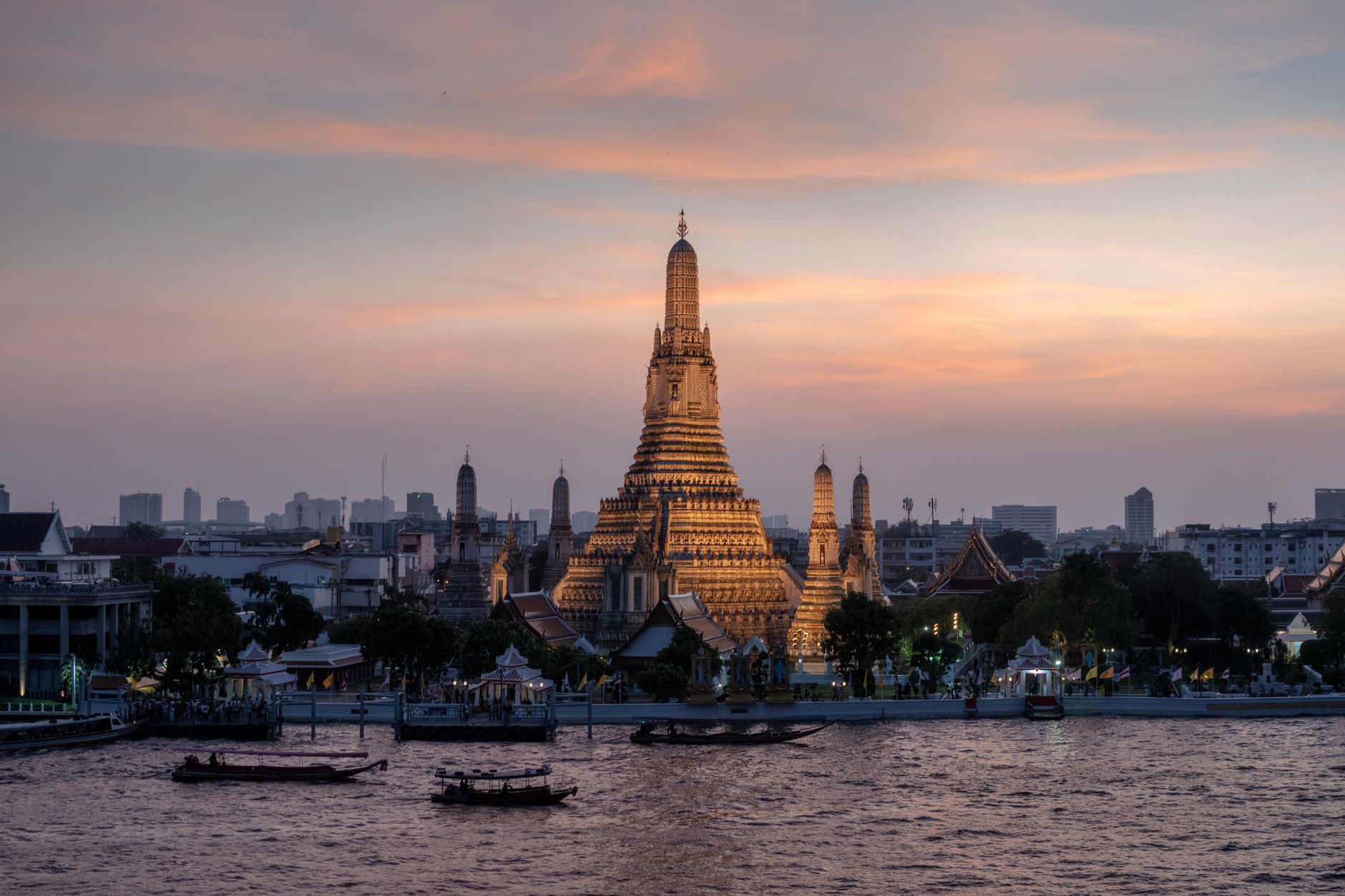
Toronto in 3 Days: Neighborhood Walks and Urban Discovery

Toronto is a city defined by its patchwork of distinct neighborhoods, lakeside sprawl, and multicultural vibrancy. It’s Canada’s largest metropolis, set along Lake Ontario, and it’s best experienced at human scale: on foot, with time carved out for street-level discoveries, casual bites, intimate cafes, and the occasional skyline view. This expertly crafted three-day guide is designed for curious, independent travelers eager to see authentic Toronto without following the crowds. By focusing on neighborhoods rather than tourist checklists, you’ll uncover the heart of the city, all while optimizing time, budget, and urban logistics.
Arrival and Local Logistics
Toronto Pearson International Airport (YYZ) is the gateway for most international visitors. The UP Express train is the fastest link into downtown—just 25 minutes to Union Station, $12.35 CAD one-way (2024 price to verify)—and avoids road congestion. Alternatively, Billy Bishop Toronto City Airport (YTZ) serves short-haul North American flights and is a quick free shuttle or 10-minute walk to the core.
Toronto’s public transit (TTC) combines subway, streetcars, and buses. For urban explorers, a PRESTO transit card makes sense for seamless travel ($15 CAD/day cap). Cycling is increasingly viable within key neighborhoods, with dedicated bike lanes and rentals (e.g., Bike Share Toronto).
Bearing Toronto’s scale in mind, choosing an accommodation base near a subway line is smart. Three superb areas for diverse tastes:
- Downtown/Yonge–Dundas: Central, walkable, ideal for first-time visitors and nightlife
- The Annex/Kensington Market: Creative, independent, close to university campus and food scenes
- Distillery District/St. Lawrence: Historic, atmospheric, with easy access to the lakeshore
Indicative Budget (Per Person, Per Day)
- Accommodation: $120–$200 CAD (mid-range hotel/double or boutique guesthouse; prices vary by area and season)
- Food & Drinks: $30–$70 CAD (café breakfasts, street-food lunches, casual to mid-range dinners)
- Transport: $10–$15 CAD (unlimited TTC day pass or PRESTO credit)
- Activities/Museums: $10–$30 CAD (some free outdoor/public art highlights featured)
- Total: Approx. $170–$315 CAD/day (2024 estimates to verify)
Local Tastes and Toronto Eats
- Peameal bacon sandwich (St. Lawrence Market classic)
- International street foods (Kensington Market: empanadas, tacos, bao)
- Gourmet dim sum (Chinatown)
- Canadian butter tart and Kensington sourdough doughnuts
- Local craft beer (bottle shops in Ossington, brewpubs in the Distillery District)
3-Day City Itinerary: Toronto Neighborhoods on Foot
This itinerary balances walkable exploration with effortless transit connections, skipping peak-tourist lines and ensuring every day flows through distinct, memorable districts.
️ 1 Downtown Core, University Quarter & Chinatown
Morning: Arrive and Yonge-Dundas to Queen’s Park
- Begin at Yonge-Dundas Square: Toronto’s version of Times Square. People-watch, then stroll west on Dundas St. to discover The Eaton Centre, famed for shopping and its goose sculpture skylight. (Window shopping/building walk, not a shopping list.)
- Continue west into the University of Toronto St. George campus. Explore the historic Knox College cloisters, Philosopher’s Walk, and leafy quads—a counterpoint to the downtown bustle.
Afternoon: Chinatown & Kensington Market
- Walk southwest along Spadina Ave: Toronto’s Chinatown is packed with produce stalls and authentic dim sum (try Mother’s Dumplings or Rol San).
- Turn west on Baldwin to vibrant Kensington Market: vintage shops, independent grocers, and pan-global street food. Grab a snack—empanadas, Vietnamese banh mi, or fresh churros are all local icons.
- Pause for a coffee at cafes like Fika or Moonbean. Shopping fans: this is Toronto’s best district for one-of-a-kind finds.
Evening: Queen West Creativity
- Head south to Queen Street West, a hub of local art and indie design. Browse graffiti alleys, pop into art bookstores, and check out the Museum of Contemporary Art (MOCA) or galleries along Ossington Ave.
- Dinner suggestions: sample modern Canadian fare at local bistros or international favorites in the area; plant-based Queen Mother Café is a mainstay.
- End your night at a small venue (the Cameron House for live music or a hidden speakeasy cocktail bar).
️ 2 The Waterfront, Distillery District & St. Lawrence
Morning: St. Lawrence Market and Old Town Walks
- Breakfast at St. Lawrence Market: sample a peameal bacon sandwich, pick up fresh fruit, or try Toronto’s classic bagels. The market is historic and best-visited early before crowds arrive. Check out the antique North Market (Saturdays only) for local crafts.
- Walk east through Old Town streets—spotting Flatiron Building (Gooderham) and mural art. Continue towards St. James Park and Cathedral, stopping as you wish.
Afternoon: Distillery Historic District & Waterfront
- Stroll southeast to the Distillery District: cobblestone lanes, Victorian-era warehouses now housing artisan shops, boutiques, galleries, and award-winning craft breweries. Sample chocolate from Soma, browse the quirky shops, or tour small studios for Canadian design.
- From here, follow Mill Street or Cherry Street down to the Waterfront Trail—Toronto’s lakeside promenade. Walk west towards Sugar Beach and Harbourfront: watch locals paddleboarding, cycle, or picnic along the water’s edge.
- Interested in public art? Look for the Wave Decks and Toronto Music Garden (free, self-guided tours), curated with plantings themed to Bach.
Evening: Harbourfront Dining or Live Events
- For relaxed lakeside dining, try Boxcar Social for craft coffee and small plates, or Amsterdam Brewhouse for classic fish and chips with lake views.
- In summer, check the Harbourfront Centre schedule for outdoor concerts, food festivals, or artisan night markets.
- If you prefer an evening indoors, the Distillery’s theatres often feature local drama or comedy shows. Reserve in advance, especially around weekends and festival dates.
️ 3 Midtown Traditions and West-End Local Life
Morning: Casa Loma and The Annex
- Take Line 1 north to Dupont Station. Begin at fairy-tale Casa Loma (entry fee), a castle complete with towers and tunnels. The gardens offer romantic morning walks and city panoramas. (Arrive at opening for quieter views.)
- Wander south into The Annex, Toronto’s historic student quarter. Browse secondhand record shops, independent bookstores (Bakka Phoenix or Seekers Books), and local brunch staples (Future Bistro for classic pancakes or Kramers for hearty eggs.)
Afternoon: Art, Parks & Little Italy
- Walk or ride south along Bathurst to Little Italy—famed for espresso bars, family trattorias, and gelaterias. College Street is perfect for a casual lunch (Porchetta sandwiches or wood-fired pizza) and excellent people-watching.
- Continue further west into Trinity Bellwoods Park: hang with locals, visit galleries on Ossington, or dive into the Queen West “triangle.” Pick up a butter tart or a local kombucha from a nearby bakery to snack on the grass.
Evening: Ossington Vibe or Comedy Night
- Ossington Avenue comes alive at dusk. Choose from innovative restaurants (Foxley, Union, or Boehmer), eclectic cocktail bars, or relaxed Korean BBQ (Samgyeopsal House is a solid choice for groups).
- Want to laugh with the locals? Catch a show at Comedy Bar (Queen West) or a secret gig in a backroom gallery—Toronto’s comedy and music scenes are homegrown and welcoming to outsiders.
- Return via TTC or by foot to your hotel, enjoying the city’s night pulse and illuminated skyline from nearby parks or rooftops.
Where to Stay in Toronto: Top Neighborhoods
- Downtown/Yonge–Dundas: Wellsituated for transit, shopping, and lively after-dark spots. Best for first-timers and those wanting a classic city break.
- The Annex/Kensington Market: Quieter, more creative—ideal for culture-driven travelers and families wanting outdoor access.
- Distillery District/St. Lawrence Market: Atmospheric and historic—great for foodies, architecture fans, and those seeking easy lakeshore walks.
Browse up-to-date hotels and guesthouses for Toronto here: Toronto hotels on Booking.com.
Getting Around Toronto: Public Transport and Rentals
Most of this itinerary is designed for walking or cycling. For longer legs, the TTC subway (Lines 1, 2, and 4) links main destinations; streetcars fill in the gaps (especially for the downtown east and west ends; use 501, 504, 505, 506 lines). Taxis and ride-shares are widely available, but expect heavy traffic at rush hour.
Car rental is not recommended for core city exploration, but if you plan day trips to Niagara, the Scarborough Bluffs, or Muskoka after your city stay, browse car options with city pickup/drop-off: Car rentals from Toronto.
Insider Tips & Local Advice
- Best photo spots: Graffiti Alley (Queen West), Sugar Beach, Casa Loma gardens, Skywalk near Union Station.
- Weather adaptiveness: If rain hits, make the most of covered arcades like the PATH, museum stops (AGO, ROM), or cozy up in an indie coffee shop (Balzac’s, Dark Horse, Rooster).
- Time-saving: Mid-morning and early evening are the quietest window for most attractions—plan main visits then, and build in time for serendipitous finds.
- Money-savers: Many art galleries, markets, and live music venues offer free or discounted admission on specific days. Always check weekly schedules and sign up for day-of notices.
- Skipping lines: Buy major tickets online (Castle Loma, MOCA), eat just before or after conventional meal hours, and use side entrances where available (St. Lawrence Market lower level, Distillery hallways).
Final Thoughts
Three days in Toronto, planned right, is a perfect balance of big-city spirit and neighborhood nuance. This itinerary ensures you move at just the right pace—from iconic sites to the alleys where locals shop and snack, with every district offering a fresh perspective. Explore Toronto as Torontonians do: curious, adaptable, and always a little off the beaten tourist path.