01 / 02
CREATE YOUR IDEAL TRIP
Plan custom city trips for the whole family, in Paris or anywhere else.
YOUR CITY ROUTE
A day in Paris
A lovely walk · 3 stops
SERVICESStaysActivities

 Routaya · Country guide
Equatorial Guinea, located in Central Africa, offers unique cultural richness, impressive natural landscapes, and a fascinating regional diversity.
Indicative XAF → EUR rate
Rate temporarily unavailable
Two ways to explore
Plan custom city trips for the whole family, in Paris or anywhere else.
YOUR CITY ROUTE
A day in Paris
Routes tailored to your riding style, with useful roadside services.
THE ROUTE
68 km · Loop route
ELEVATION PROFILE
Altitude 580 m
Information is provided as a travel-planning aid. Confirm entry, health and safety requirements with official authorities before departure.
Medical facilities are limited, especially outside Malabo. Consider travel insurance including medical evacuation.
Recommended vaccines: Yellow fever (certificate required for entry).; Hepatitis A and B.; Typhoid.; Tetanus-diphtheria-polio.
Required vaccines: Yellow fever vaccination for all travelers.
Currency: CFA franc BCEAO (XAF)
Foreign currencies are generally exchanged in Malabo and Bata. Keep change receipts.
Bank cards rarely accepted outside major cities. ATMs are scarce.
The country is relatively stable but exercise caution, especially outside urban areas.
Areas to check before travel: Border area with Cameroon.; Certain isolated rural zones.
Political and economic center, island capital with main port.

Main continental urban center with growing economic activities.

Protected forest area rich in biodiversity.
Mountainous area with tropical forests and traditional villages.

Continental part with dense forests and diverse ethnic groups.
Isolated island with unique culture and preserved nature.

Capital located on Bioko Island, administrative and cultural center.
Largest continental city, dynamic commercial port.
Coastal town in Bioko near tropical forests.
Northern border town, gateway to Cameroon and Gabon.
Historic town known for local crafts and culture.
Capital of Annobón island, marked by distinctive island culture.
Small coastal town with access to rural areas.

Iconic Malabo cathedral blending colonial architecture and local influences.
Natural reserve offering hiking trails and wildlife watching.
Popular beach for swimming and relaxing, frequented by locals.

Volcanic crater surrounded by dense tropical forest.

Vibrant market to discover fresh produce and local crafts.
Remote island with exceptional marine life and pristine beaches.
Tropical forest home to gorillas, chimpanzees, and numerous bird species.

Ancient volcano with humid rainforest ideal for hiking.
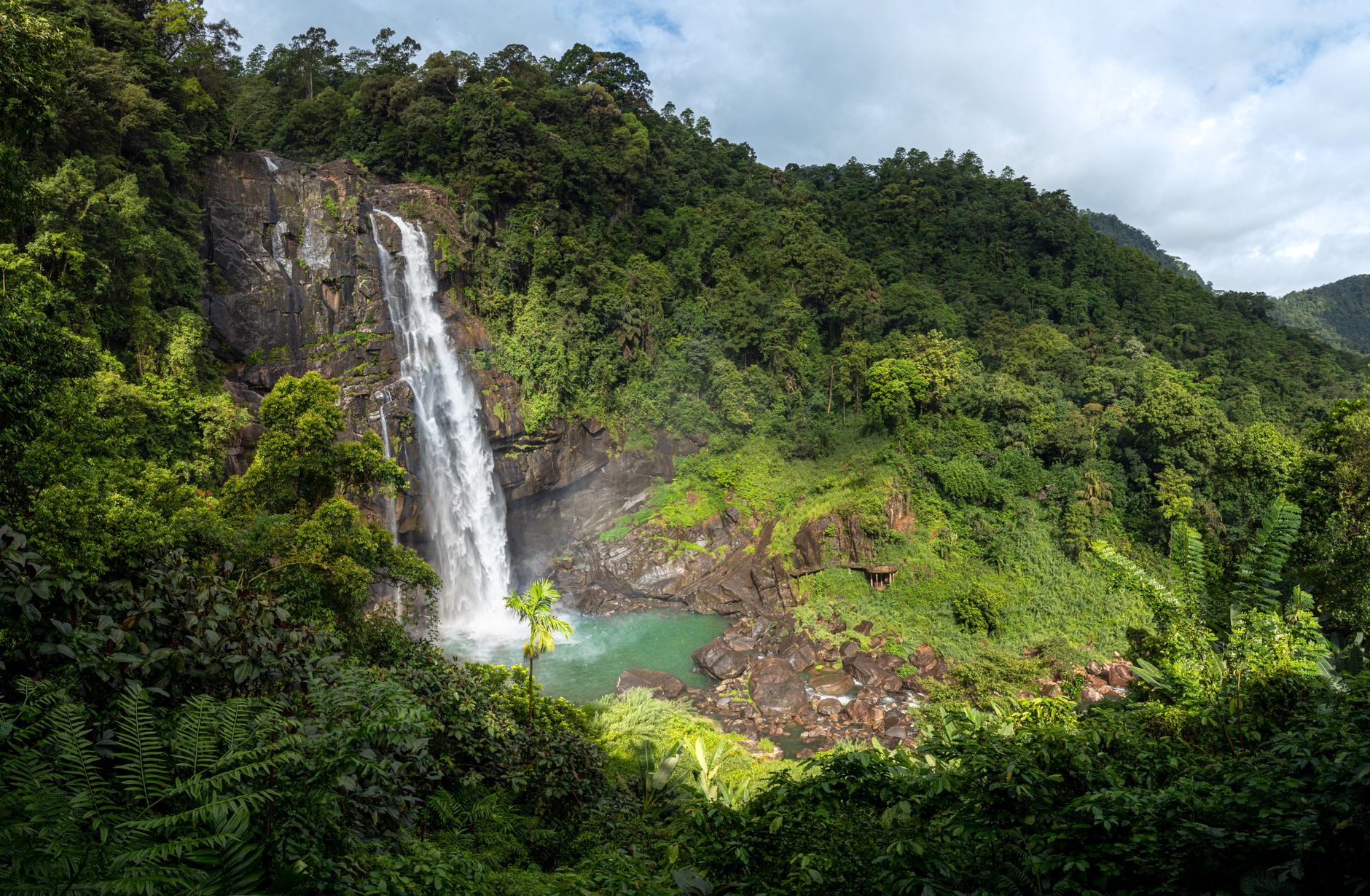
Spectacular waterfalls in the Bioko Norte region.
Nearby wetland area known for aquatic biodiversity.
Volcanic island with beaches, cliffs, and marine species.
Extensive coastline with beaches suitable for beach leisure.
Travel conditions can change. Always consult official government travel advice and health authorities shortly before your trip.
Found this useful?
Share it with your travel companions.