
Section 1 · Landmark guide
History & Stories
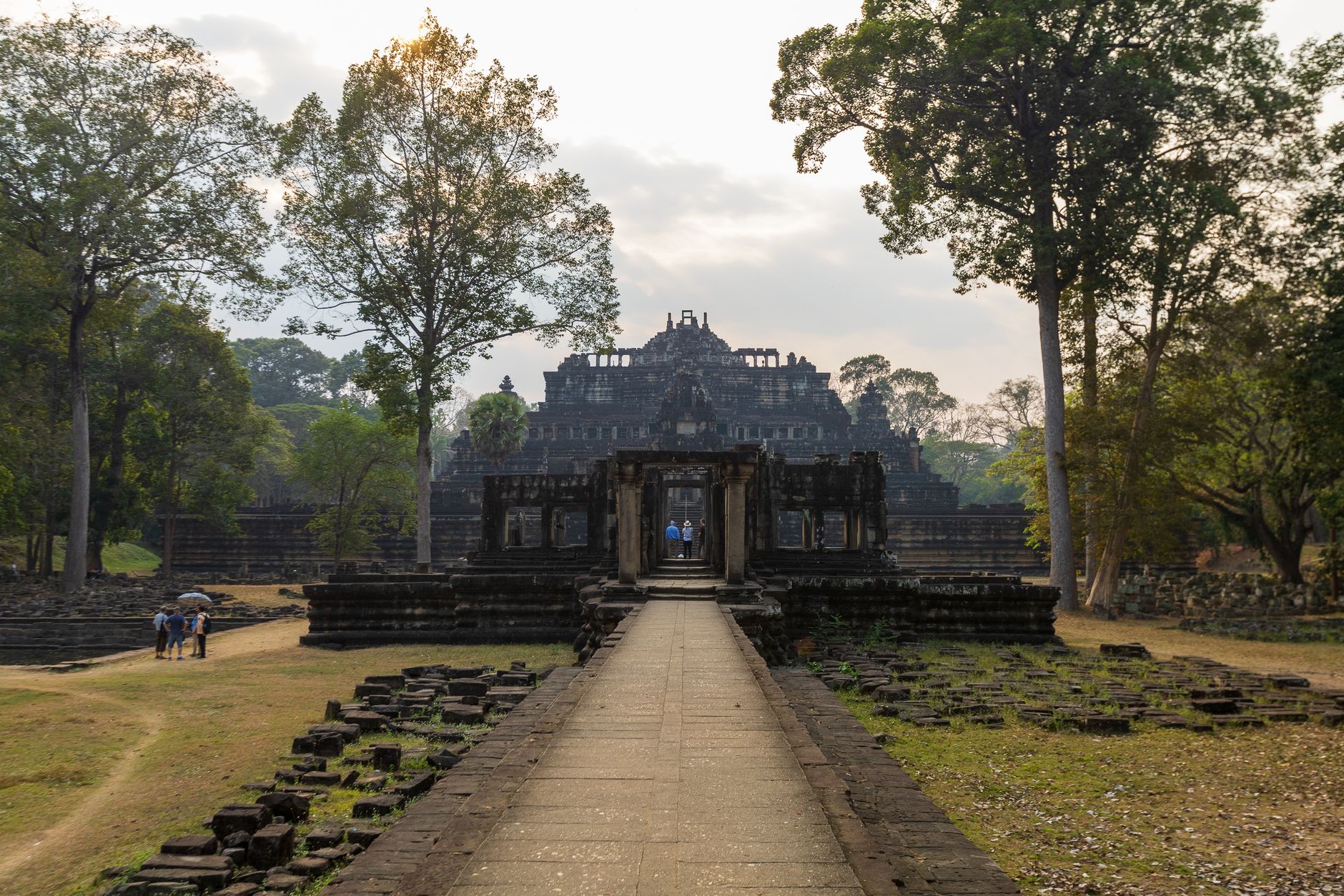
Angkor Wat is the largest religious monument in the world, constructed in the 12th century under King Suryavarman II's reign. Originally dedicated to the Hindu god Vishnu, it represents the pinnacle of Khmer architecture. Its westward orientation is unique and is often interpreted as a funerary symbol. The temple is adorned with epic bas-reliefs, including the famous mythological Battle of Mount Mandara. The entire complex impresses with its symmetry and complexity, blending spiritual and royal functions. Rediscovered in the 19th century, Angkor sparked global interest in Khmer civilization and contributed to the site's preservation.
Section 2 · Landmark guide
Visiting Tips & Logistics
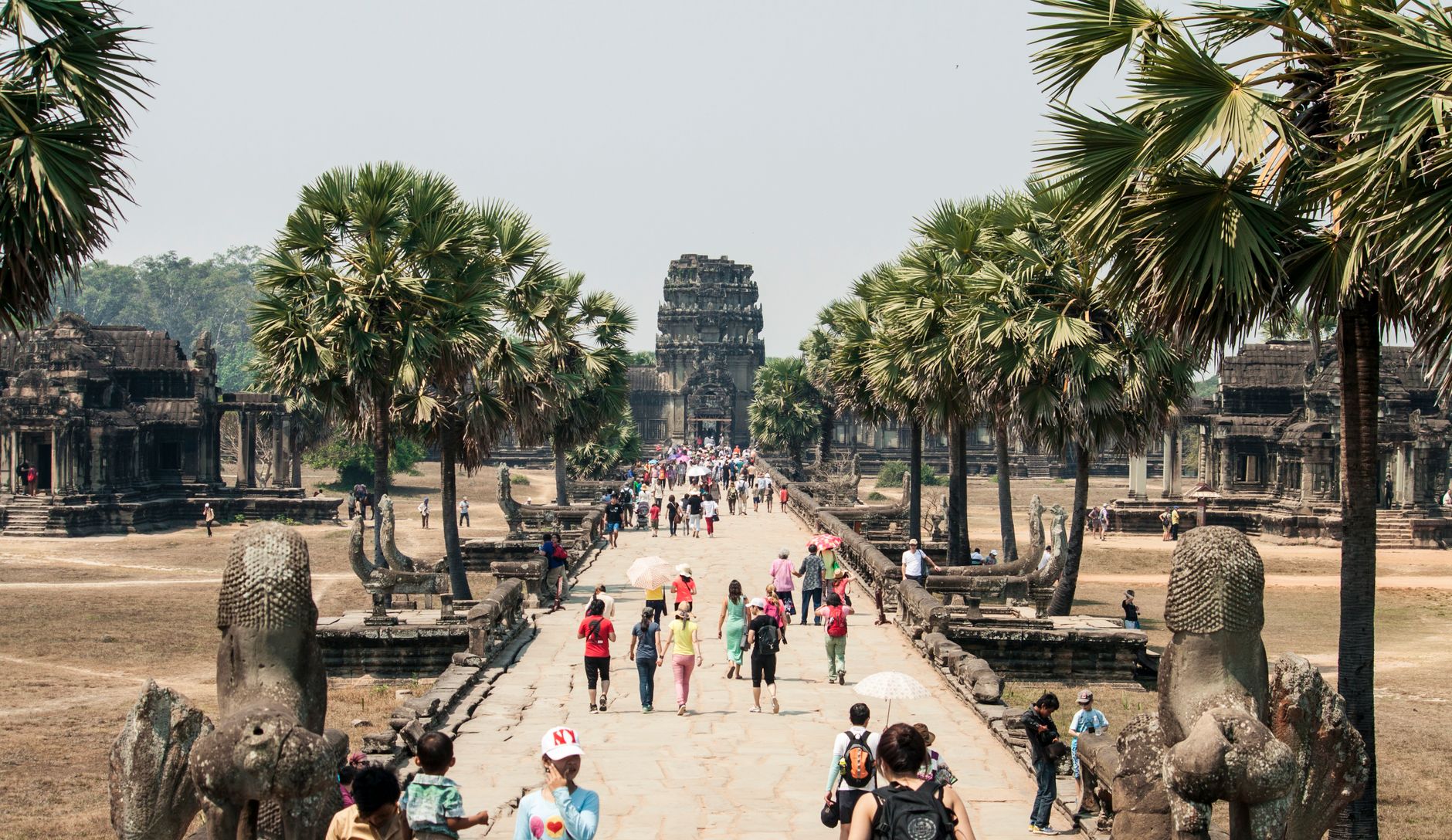
To fully enjoy Angkor Wat, plan to visit early in the morning at opening time to avoid crowds and the heat. Allocating 2 to 3 hours allows you to explore the main temple and its galleries. Be sure to check access conditions, opening hours, and ticket prices on the official website before your trip. Dress respectfully with covered shoulders and knees, and bring water. The site is extensive and requires a good amount of walking, so choose comfortable footwear. Consider visiting during the dry season from October to March for the most pleasant weather.

Section 3 · Landmark guide
Getting There & Low-Impact Travel
Angkor Wat is located about 6 km from Siem Reap and is easily accessible by tuk-tuk, bicycle, or scooter. Cycling is very popular for an eco-friendly and immersive experience; the route is flat and pleasant, but be sure to protect yourself from the sun and carry water. Tuk-tuks remain a comfortable and economical option; negotiate the fare before departure. Check current maps to select the best route for your transportation mode. Traffic can be heavy approaching the site, so plan your travel times to avoid congestion.

Section 4 · Landmark guide
Nearby Places to Explore
Near Angkor Wat, explore other wonders of the Angkor complex such as Bayon, famed for its massive stone faces, and Ta Prohm, renowned for trees entwined with ruins. The Angkor National Museum in Siem Reap offers an enriching introduction to Khmer civilization. The floating village of Tonlé Sap with its lake communities also provides cultural insight and is well worth a visit. These sites are accessible by tuk-tuk or bicycle, allowing you to diversify your discoveries after touring Angkor Wat.