
Section 1 · Landmark guide
History & Stories
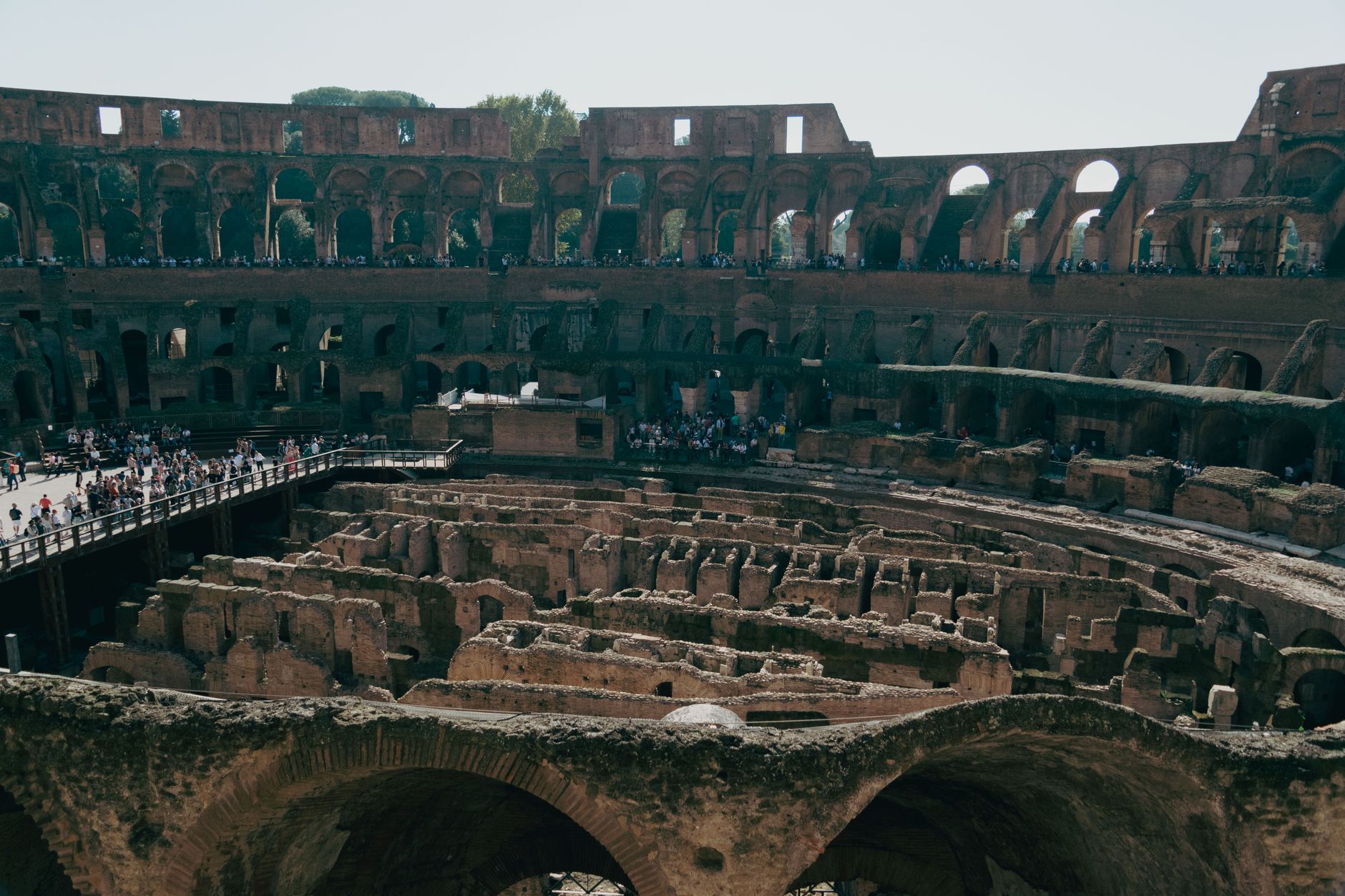
The Colosseum, also known as the Flavian Amphitheatre, is a Roman architectural masterpiece constructed around 70-80 AD. Designed to host over 50,000 spectators, it was the stage for gladiatorial games, wild animal fights, and spectacular performances. Remarkably, despite earthquakes and plundering, its structure remains imposing. A notable anecdote: the building featured an ingenious shading system called the velarium, operated by Roman sailors to protect spectators from the sun. Don't miss visiting the underground chambers where gladiators and animals awaited their entrance.

Section 2 · Landmark guide
Visiting Tips & Logistics
For an enjoyable visit, choose early morning or late afternoon slots when the light is softer and crowds are thinner. Allocate 1.5 to 2 hours to explore the entire site, including galleries and the reconstructed arena floor. Booking online via the official website is recommended to avoid long queues. Bring a valid ID and verify current access conditions, especially regarding any temporary restrictions or health measures. Wear comfortable shoes as the terrain can be uneven.

Section 3 · Landmark guide
Getting There & Low-Impact Travel
The Colosseum is easily reachable by public transport from central Rome. The Colosseo metro station (Line B) is just meters away, enabling a car-free arrival. For sustainable travel enthusiasts, walking from the historic center is pleasant and allows discovery of other monuments. Various bike and electric scooter rental services are available nearby. It’s advisable to check routes and parking rules for these mobility options on a map app before departure, as some zones may have regulations.

Section 4 · Landmark guide
Nearby Places to Explore
Right next to the Colosseum, visit the Roman Forum, the political and social heart of antiquity, and the Palatine Hill, where Rome’s founding legend is set. A 10-minute walk leads to the Arch of Constantine, an emblem of victory that is well preserved. Nearby, the Basilica of Saint Clement offers a unique journey through different eras. For a break, the streets of the Monti district are filled with small cafés and artisanal shops—perfect for lunch or coffee. These sites form an ideal walking tour to fully immerse yourself in ancient history and contemporary Roman life.
