

Section 1 · Landmark guide
History & Stories
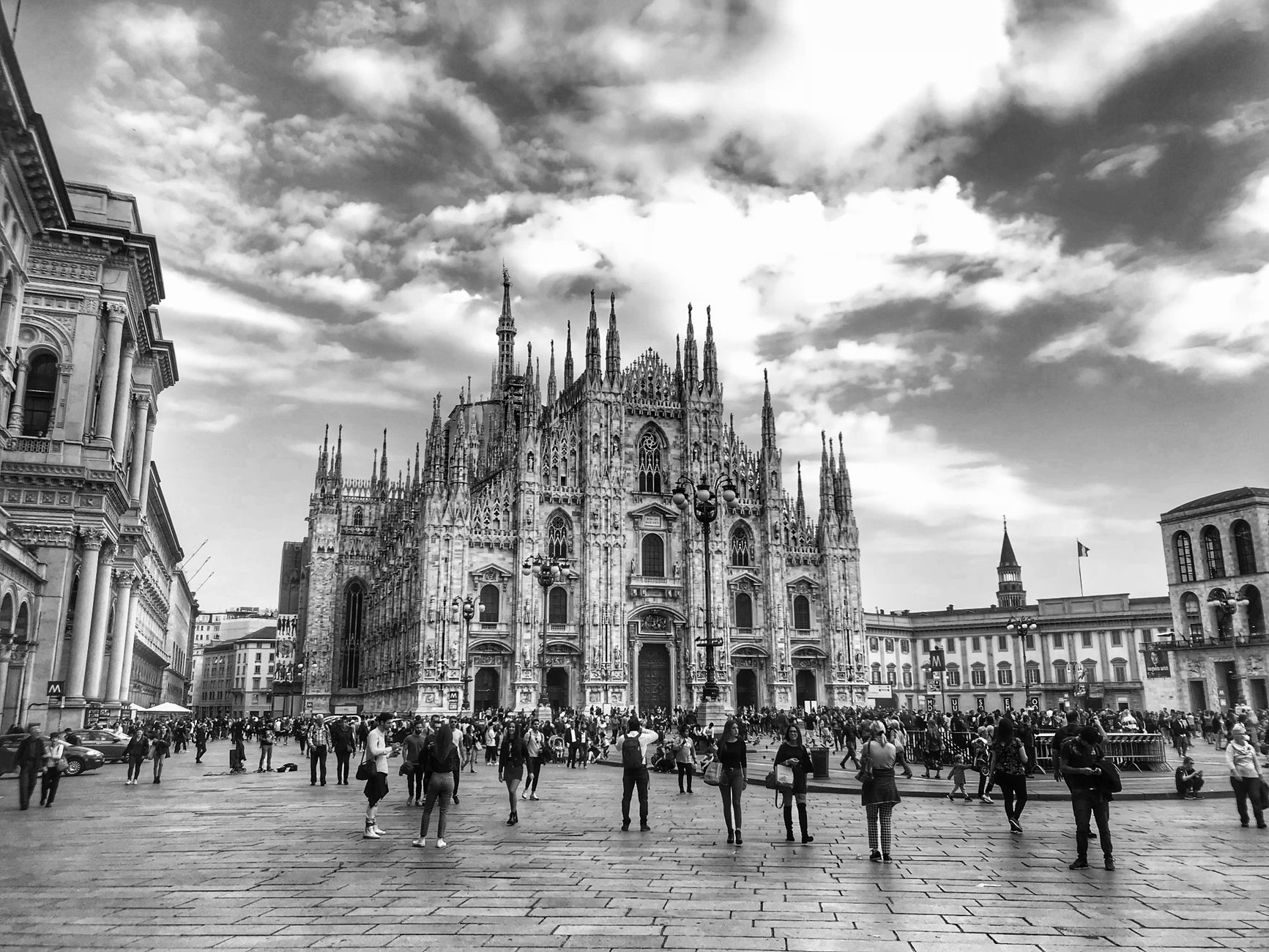
Milan Cathedral, known as the Duomo di Milano, is one of the largest Gothic cathedrals in the world, renowned for its remarkable architecture and approximately 3,400 statues. Construction began in the 14th century and spanned several centuries, reflecting the evolution of architectural styles over time. Legend has it that the rooftop, which is open to the public, offers spectacular panoramic views over Milan and allows visitors to admire closely its spires and statues. The Cathedral also serves as a symbol of the city, featured in many works of art and Milanese cultural events.
Section 2 · Landmark guide
Visiting Tips & Logistics
To visit Milan Cathedral, plan your visit for early morning or late afternoon to avoid the crowds. A full visit—including the cathedral, museum, and rooftop access—typically takes about 2 to 3 hours. Be sure to check the official website before your trip for up-to-date opening hours and any temporary restrictions. Comfortable footwear is recommended, especially if you intend to climb to the upper terraces.

Section 3 · Landmark guide
Getting There & Low-Impact Travel
Located in the heart of Milan, the cathedral is easily reachable by public transportation, with several metro lines—particularly M1 and M3—serving the Duomo station right nearby. For low-impact travel, consider walking from the Duomo station or renting a bike to explore the surrounding city center. Milan also has a network of trams in the city center. Before your trip, check the latest local maps for bike lanes and services to plan your sustainable travel effectively.

Section 4 · Landmark guide
Nearby Places to Explore
Around Milan Cathedral, several remarkable sites are well worth a visit. The Galleria Vittorio Emanuele II, a historic shopping arcade with beautiful architecture, is just steps away. Close by is Piazza della Scala, home to the famous Teatro alla Scala opera house. For a cultural immersion, the modern art museum and the Royal Palace of Milan are reachable within minutes on foot. These sites complement your visit to the cathedral, offering a rich panorama of Milanese history and culture.