

Section 1 · Landmark guide
History & Stories
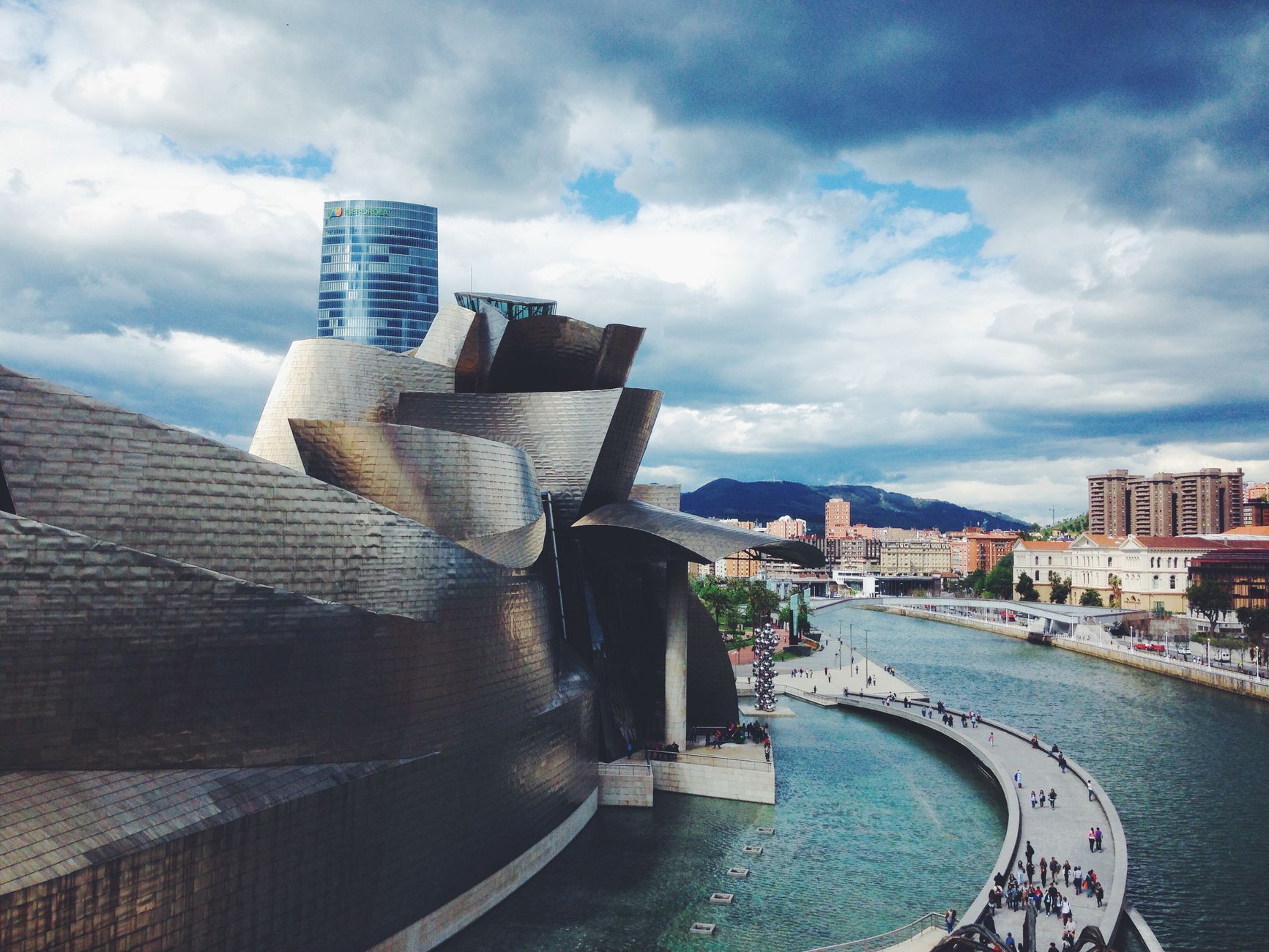
The Guggenheim Museum Bilbao, inaugurated in 1997, is a landmark work by architect Frank Gehry, renowned for its deconstructivist design featuring titanium, glass, and limestone. This building marked a major transformation for Bilbao, contributing to its economic and cultural revitalization, often referred to as the “Guggenheim effect.” Notably, the museum’s undulating forms draw inspiration from the Nervión River that runs through the city. The museum hosts world-renowned contemporary art pieces and has become a symbol of modernity intertwined with Basque tradition.

Section 2 · Landmark guide
Visiting Tips & Logistics
Plan to spend 2 to 3 hours exploring both the permanent and temporary exhibitions, as well as admiring the architecture itself. The best time to visit is early morning on weekdays to avoid crowds. Always check the official website ahead of your visit for updated opening hours and visitor policies, especially during special events or health restrictions. Booking your tickets online in advance is highly recommended to save time at the entrance. Proper preparation will ensure a smooth and rewarding experience.

Section 3 · Landmark guide
Getting There & Low-Impact Travel
The museum is easily accessible by public transit from central Bilbao, including tram and bus services. The city features bike lanes that allow you to reach the site in an eco-friendly way. Be sure to check current local transit maps and schedules on official sites before your trip. For walking enthusiasts, a pleasant 30-minute stroll along the Nervión River connects the museum with downtown Bilbao.
Section 4 · Landmark guide
Nearby Places to Explore
Near the Guggenheim Museum, don't miss the Zubizuri Bridge, a pedestrian bridge designed by architect Santiago Calatrava. Explore historic neighborhoods like Bilbao La Vieja to experience local atmosphere and traditional eateries. The Doña Casilda Park offers a lovely green space just minutes on foot away. Finally, Bilbao's city center features the Santa Maria Cathedral and the Mercado de la Ribera, rounding out a culturally rich excursion around the museum.