
Section 1 · Landmark guide
History & Stories
The Tower of London is a historic monument steeped in history, originally built as a Norman fortress after 1066. It has served as a royal palace, prison, treasury, and even a menagerie. One of its most famous roles was as the detention site for notable figures such as Anne Boleyn. The Tower's famous ravens are linked to a legend that claims the disappearance of these birds would lead to the fall of the British monarchy. This rich heritage makes it an essential site reflecting several centuries of English history, filled with tales of plots, royalty, and mysteries.

Section 2 · Landmark guide
Visiting Tips & Logistics
Plan to spend approximately 2 to 3 hours to fully enjoy your visit to the Tower of London, especially to not miss the Crown Jewels and temporary exhibitions. To avoid crowds, consider visiting in the morning during weekdays outside of school holidays. Entry conditions, including opening hours and restrictions, may vary; it is essential to check the official website before planning your visit. Familiarize yourself with security procedures and visitor flow to optimize your route within the site.

Section 3 · Landmark guide
Getting There & Low-Impact Travel
The Tower of London is easily accessible by public transport, notably via Tower Hill Underground station served by the Circle and District lines. For a greener approach, the site is also reachable by bicycle, with bike parking facilities nearby. A pleasant walk along the River Thames offers a scenic route if you prefer to arrive on foot. When planning your route by walking, cycling, or public transit, it is advisable to consult up-to-date interactive maps to avoid any surprises from roadworks or temporary network changes.

Section 4 · Landmark guide
Nearby Places to Explore
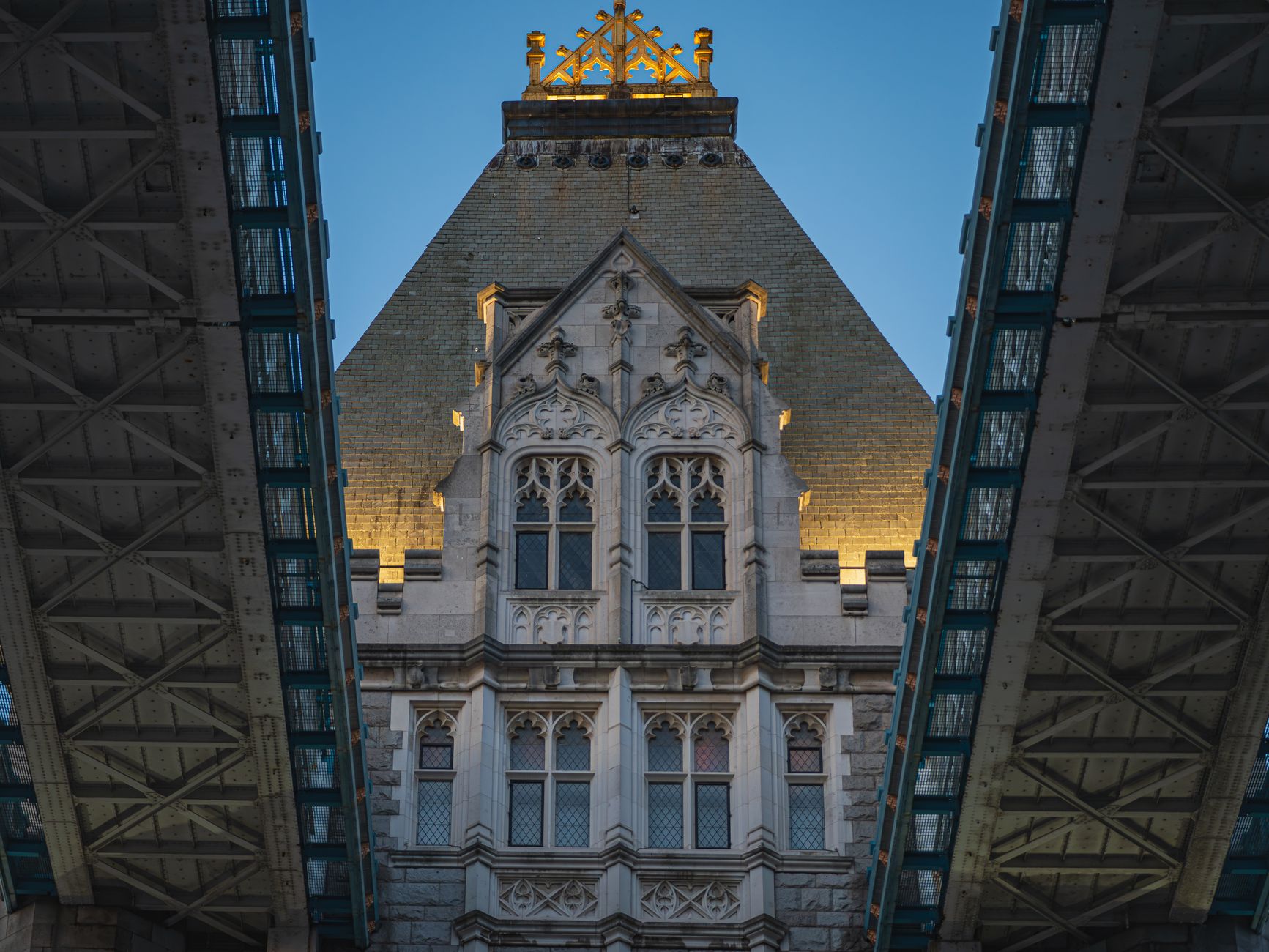
Around the Tower of London, several remarkable sites await discovery. Tower Bridge, just a few minutes' walk away, offers spectacular views of the Thames and the city. The St Katharine Docks area provides a lively atmosphere with its restaurants and quayside charm. The Museum of London, a short distance away, offers a complementary perspective on the city's evolution. Finally, a riverside walk provides an ideal setting to unwind after your visit and explore the south bank at your own pace.
