Section 1 · Regional guide
Regional Transport & Getting Around
Normandy features a well-developed railway network with several TER and TGV stations serving key cities such as Rouen, Caen, Le Havre, and Cherbourg. Train connections make intercity travel convenient, particularly along the Paris-Caen-Cherbourg line. On the road, major highways and national routes facilitate travel throughout the region. Local bus networks complement these options by serving less accessible areas, especially in rural and coastal zones. It is advisable to check schedules and coverage for specific areas, especially during off-peak seasons.

Section 2 · Regional guide
Cycling Terrain & Routes
Normandy's terrain is generally characterized by moderate relief, with hilly areas notably in the Pays d'Auge and the bocage normand. The region offers several greenways suitable for cycle tourism, primarily on paved or stabilized surfaces ensuring comfortable riding. Although no major EuroVelo routes run directly through Normandy, several regional cycling trails allow exploration of diverse landscapes, from coastal scenery to verdant countryside. Elevation gains remain reasonable and suitable for intermediate to advanced cyclists.

Section 3 · Regional guide
Local Climate & Microclimates
Normandy enjoys an oceanic climate influenced by maritime conditions that moderate temperatures but yield relatively high humidity. Winters are mild and summers cool, making spring and early autumn especially pleasant times to visit. Certain coastal zones, particularly around the Seine Bay, benefit from microclimatic effects that foster a notably mild climate. Conversely, inland areas can experience more marked variations. Be prepared for frequent rain showers that can vary by location.

Section 4 · Regional guide
Culture, Food & Local Heritage
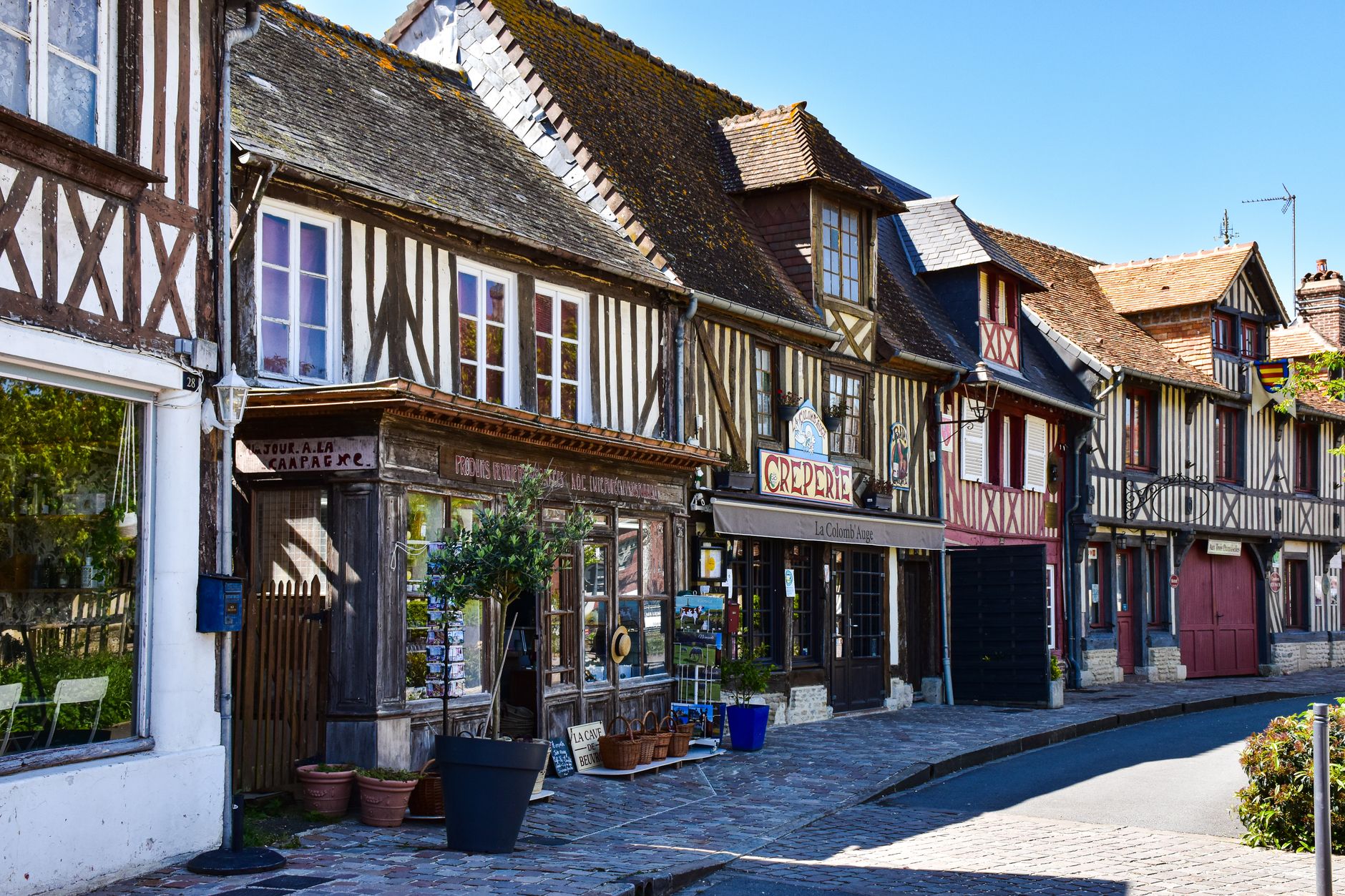
Normandy boasts a rich historical and cultural heritage, featuring iconic sites like Mont-Saint-Michel, the D-Day landing beaches, and medieval towns such as Bayeux. Its local gastronomy is renowned for dairy products like Camembert cheese, seafood, cider, and Calvados apple brandy. Traditional festivals and regional markets are readily accessible in small towns and villages, offering an authentic immersion into Norman life. Architectural styles, from timber-framed houses to castles, underscore this cultural wealth.

Section 5 · Regional guide
Budget & Places to Stay
Normandy offers a wide range of accommodations suited to various budgets, including campsites equipped for cycle tourists, rural cottages (gîtes), and charming guesthouses. These options provide opportunities to connect closely with nature and local heritage. Prices vary seasonally, generally remaining affordable outside peak summer periods. Booking in advance is recommended for sought-after accommodations, especially during cultural events and along the coast.

Opening hours, routes and weather conditions can change. Check with local operators and tourism offices before travelling.