Section 1 · Landmark guide
History & Stories
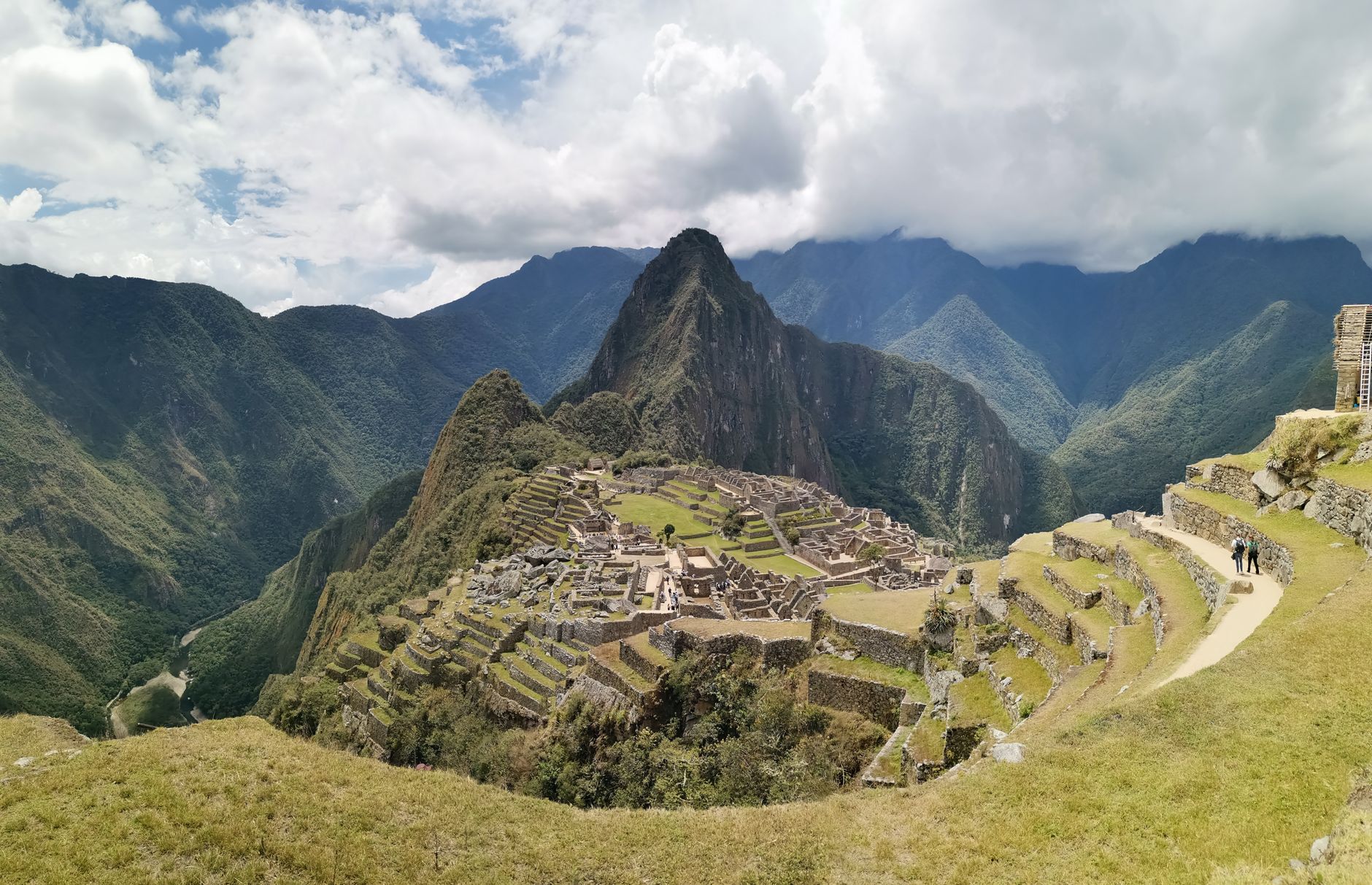
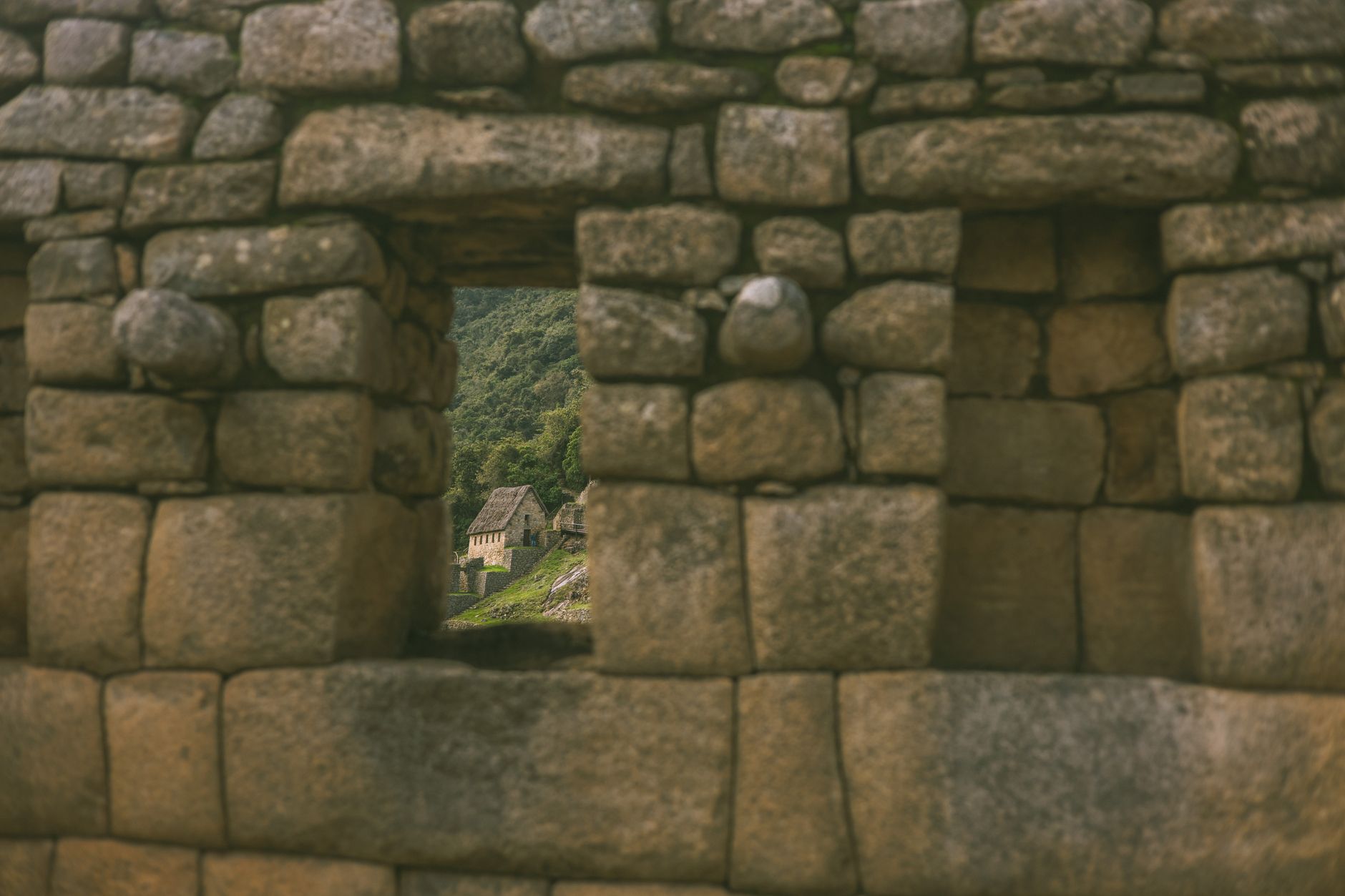
Machu Picchu, the iconic city of the Inca Empire, is perched at approximately 2,430 meters above sea level. Rediscovered in the 20th century by Hiram Bingham, its precise purpose remains a mystery: was it a religious sanctuary, royal residence, or administrative center? Built from finely cut stone without mortar, it demonstrates remarkable architectural mastery. Among its stones, the 'Intihuatana Stone' is famed for its role as a solar observatory. The lack of written records preserves these mysteries. Take in these ruins to appreciate Inca ingenuity and their spiritual connection to the surrounding nature.

Section 2 · Landmark guide
Visiting Tips & Logistics
To fully enjoy Machu Picchu, plan your visit early in the morning or late afternoon to avoid crowds and benefit from soft lighting. Allow around 3 to 4 hours to explore the ruins at a comfortable pace. It is essential to book your tickets in advance through the official website and verify current regulations, including health restrictions or access changes. Wear comfortable shoes and bring drinking water. Note that daily visitor numbers are limited to protect the site.

Section 3 · Landmark guide
Getting There & Low-Impact Travel
The typical route to Machu Picchu starts from Cusco, then by train to Aguas Calientes, where you can hike or take a shuttle up to the citadel. For eco-conscious travelers, the Inca Trail trek or the alternative Salkantay and Lares routes offer an immersive, environmentally friendly approach. These trails require good physical preparation and careful organization. Always check trail conditions and local transport options before setting off by consulting tourist offices or reliable sources.

Section 4 · Landmark guide
Nearby Places to Explore
The surroundings of Machu Picchu host several remarkable sites. Nearby, Huayna Picchu mountain offers exceptional views over the citadel. The village of Aguas Calientes invites relaxation with its natural hot springs. Further afield, the Sacred Valley of the Incas—including Pisac with its traditional market and Ollantaytambo, another major archaeological site—is well worth visiting. These locations enrich your cultural and natural experience. Allocate time to explore these additional attractions that complement your Andean Peru discovery.