

Section 1 · Landmark guide
History & Stories
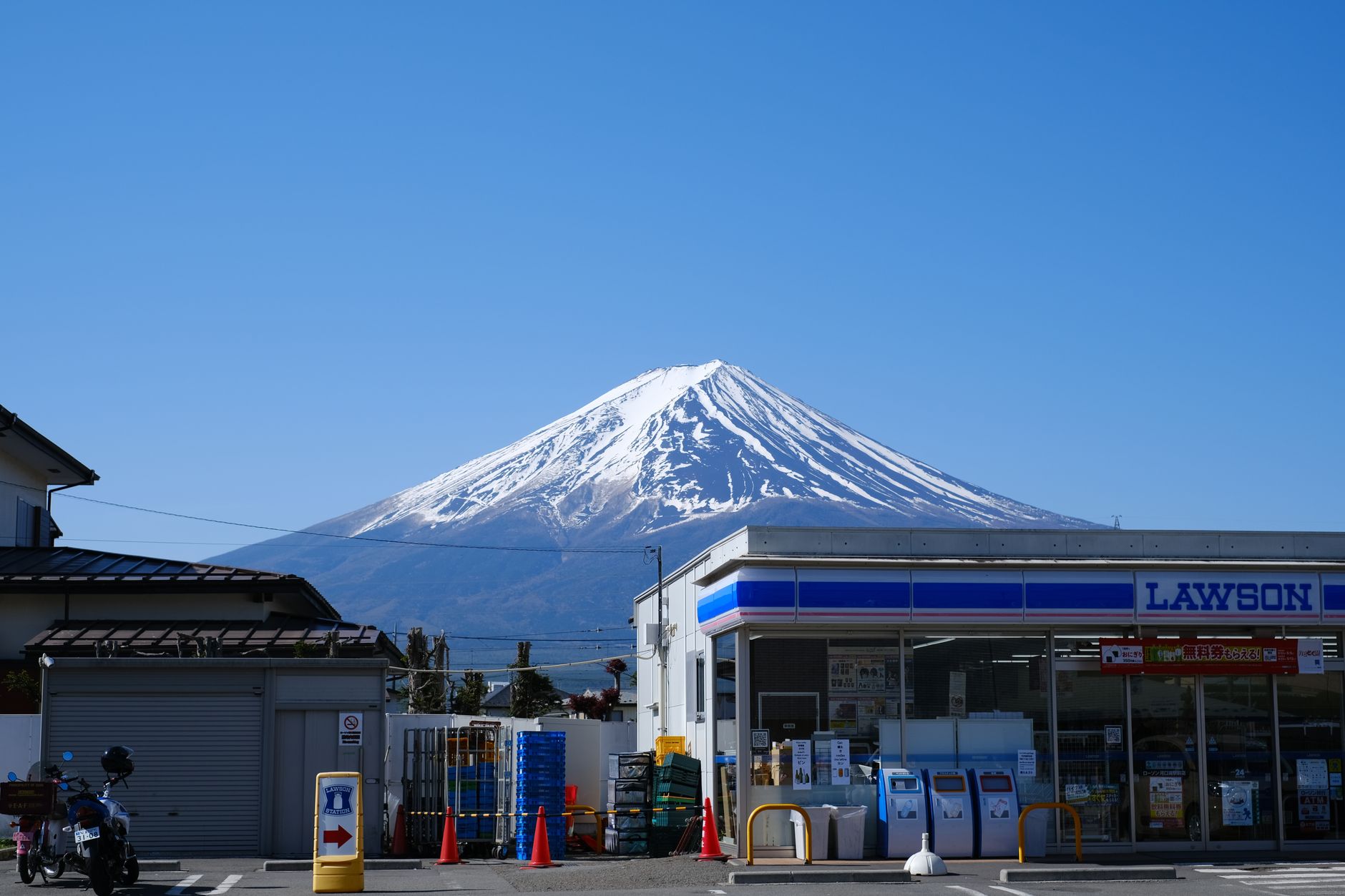
Mount Fuji, standing at 3,776 meters, is the highest peak in Japan and a major cultural symbol. Revered as sacred for centuries, it has attracted pilgrims and artists alike. Fujinomiya is famed for the "Fujinomiya Route," one of the historic ascent trails. The mountain's nearly perfect cone shape has become a visual icon of Japan. Rich in legends, Mount Fuji is a UNESCO World Heritage site recognized for its spiritual and artistic influence, especially in literature, painting, and poetry. It holds deep connections with Shintoism and Buddhism, featuring several shrines at its base and along its slopes.

Section 2 · Landmark guide
Visiting Tips & Logistics
The best season to visit Mount Fuji is summer (July–August), when climbing conditions are safest. The ascent from Fujinomiya typically takes about 5 to 7 hours round-trip, depending on the trail and your fitness level. Prepare with suitable footwear and bring enough water. It's essential to consult the official website for up-to-date advice, especially regarding temporary closures or weather alerts. To enjoy a more peaceful experience, avoid peak crowds in early mornings.

Section 3 · Landmark guide
Getting There & Low-Impact Travel
Access Mount Fuji from Fujinomiya by prioritizing low-impact travel methods: marked trails facilitate hiking, which is the ideal way to explore the surroundings. Public transportation such as buses connects the city to trail bases—verify current schedules in advance. Cycling can be an option for certain sections but check routes and challenging terrain beforehand. Use updated maps and GPS apps to plan your soft mobility routes, emphasizing safety and nature conservation.
Section 4 · Landmark guide
Nearby Places to Explore
Around Mount Fuji in Fujinomiya, don't miss the Fujisan Hongu Sengen Taisha Shrine, the traditional starting point for pilgrims. Visit Shiraito Falls, famed for its crystal-clear waters. Arakura Sengen Park offers iconic views of Mount Fuji framed by cherry blossoms. The Konohana Museum provides insights into the mountain’s geology and culture. Nearby villages offer an authentic glimpse into rural Japanese life and relaxing onsens to unwind after your hike.