
Section 1 · Landmark guide
History & Stories
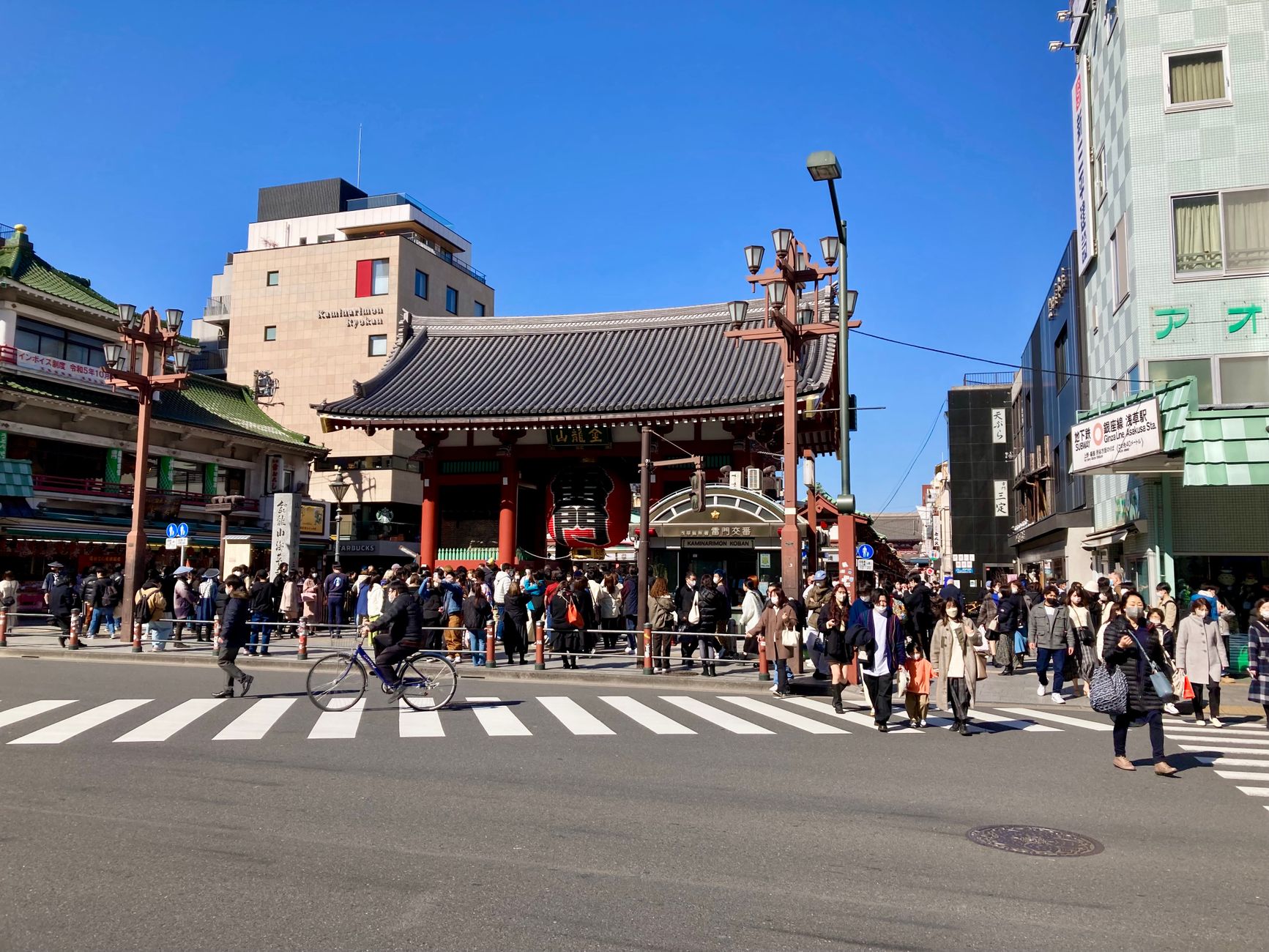
Senso-ji Temple is Tokyo's oldest Buddhist temple, dating back to the 7th century. According to legend, it was founded after two fishermen discovered a statue of Amida Buddha in the Sumida River. This site became a place of worship dedicated to Kannon, the goddess of compassion, attracting millions of visitors annually. The temple has been rebuilt multiple times, notably after destruction during World War II, symbolizing Tokyo's resilience. Its famous Kaminarimon gate featuring a giant red lantern is a cherished and iconic emblem of the temple.

Section 2 · Landmark guide
Visiting Tips & Logistics
To fully enjoy Senso-ji, plan your visit early in the morning or late afternoon when crowds are lighter. Allow about 1 to 2 hours to explore the temple, the bustling Nakamise-dōri shopping streets, and the smaller nearby shrines. Wear comfortable shoes as there is considerable walking involved. Check official sources in advance for access conditions and opening hours, especially regarding special events or pandemic-related restrictions. Set aside time to observe the local rituals and sample Japanese specialties from nearby food stalls.

Section 3 · Landmark guide
Getting There & Low-Impact Travel
Senso-ji Temple is easily reachable on foot from Asakusa Station, served by the Ginza, Asakusa, and Tobu lines. The neighborhood is also pleasant to explore by bicycle—a low-impact way to avoid intensive walking. Numerous pedestrian paths and wide sidewalks facilitate movement. For those preferring buses, several routes serve the area. Remember to verify routes and bike-share availability via a local app before traveling. Car parking is limited; public transportation or gentle mobility options are recommended.

Section 4 · Landmark guide
Nearby Places to Explore
The Asakusa district offers many attractions to explore after visiting the temple. Don't miss Sumida Park, which provides a lovely view of Tokyo Skytree, one of the city's tallest skyscrapers. You can also visit the Edo-Tokyo Museum, which tells the fascinating history of the capital. Asakusa’s shopping streets are perfect for tasting local cuisine and buying traditional souvenirs. Finally, a cruise on the Sumida River can be a relaxing way to end your day amidst both urban and natural scenery.